Many people put off getting hearing instruments for one simple reason: they picture something bulky and uncomfortable. That worry is understandable, especially given how hearing aids used to look. Plenty of patients have shared the same fear—that wearing a visible device would make others assume they couldn’t keep up in conversation and leave them out as a result.
That outdated image is exactly why so many people put off their first hearing evaluation. But today’s hearing instruments look and feel nothing like what most people imagine. Advances in design have made modern devices remarkably small, comfortable to wear all day, and easy to keep out of sight.
If it’s been years since you last considered getting your hearing checked because of how old devices looked, now is a great time to see what’s changed.
Clearing Up an Old Misconception
Ask most people to picture a hearing aid, and they’ll describe something bulky and obvious—the kind of device that was standard in the 1980s and ’90s. That’s simply not what today’s technology looks like.
The industry has changed dramatically since then. Smaller digital components, better industrial design, and more advanced audio processing have reshaped what these devices can be. Modern hearing aids are far smaller, better designed, and built to either blend in with your ear or disappear from view entirely.
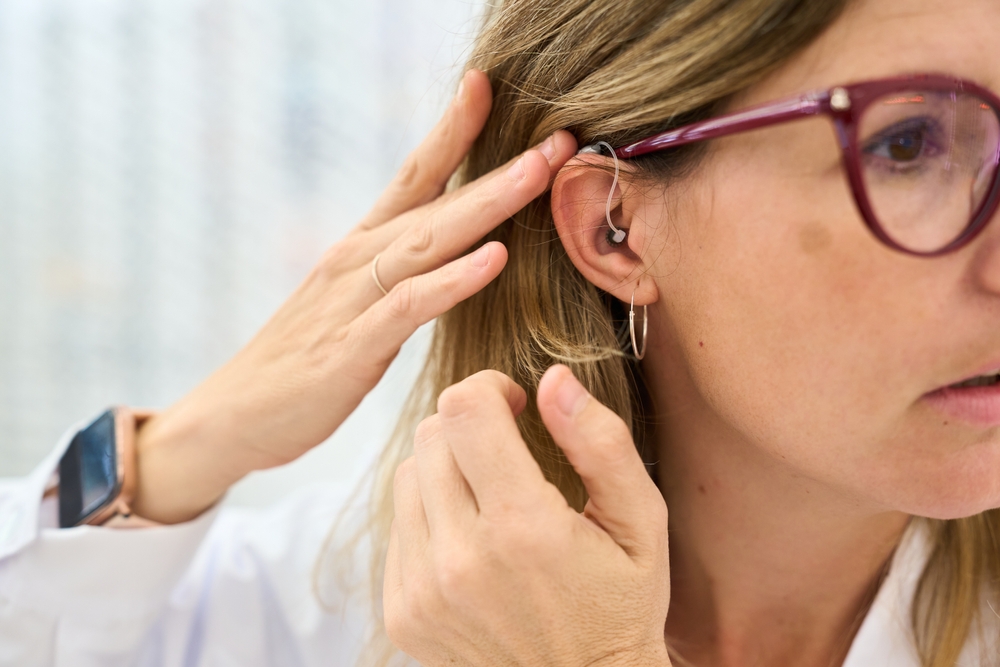
Many current devices sit far enough inside the ear canal that they’re invisible during normal conversation. Others sit behind the ear but are so small and lightweight—often color-matched to hair or skin—that people rarely notice them at all.
A Quick Guide to Today’s Styles
Here’s a simple breakdown of the main options available now:
Invisible-in-Canal (IIC)
These sit deep within the ear canal and are custom-molded to your ear’s shape, making them the most discreet option available. Someone standing right in front of you won’t know it’s there. They’re a popular choice for people with mild to moderate hearing loss who want a fully hidden solution.
Receiver-in-Canal / Receiver-in-the-Ear (RIC/RITE)
This is the most widely used style today. A small unit sits behind the ear, linked by a thin, barely visible wire to a tiny speaker inside the canal. Many resemble sleek wireless earbuds more than medical equipment, and people around you are unlikely to notice unless they’re specifically looking for it.
Compact Behind-the-Ear (BTE)
These keep all the electronics in a small case behind the ear. While often recommended for more significant hearing loss, today’s versions are far smaller and less noticeable than older models, without sacrificing performance.
The bottom line: today’s hearing aids are made to fit seamlessly into your life, not stand out.
More Than Just a Smaller Design
The improvements go well beyond appearance. Today’s hearing aids function more like smart audio devices than traditional medical equipment. Many pair directly with your phone over Bluetooth, letting you stream calls, music, or TV sound straight to your ears without any extra headphones.
Most also come with companion apps, so you can adjust volume or settings right from your phone—no reaching for the device itself. Walking into a noisy restaurant? You can adjust the microphone settings on the spot from your screen. And rechargeable batteries mean you no longer have to deal with tiny, short-lived batteries—just set your devices on a charger overnight, the same way you would your phone.
Getting Past the Emotional Hurdle
Even once people know how much the technology has improved, hesitation is still common. Looking into hearing aids can feel like admitting that something about your body has changed, which can bring up feelings of losing control.
It helps to reframe that thinking. Getting a hearing aid isn’t a sign of weakness—it’s simply a way of adapting to a normal part of life. Choosing to hear better is choosing to take care of yourself and improve your day-to-day experience.
Picture wearing a device so discreet that no one notices it, while you’re able to follow conversations easily, hear clearly in crowded spaces, and stay engaged with the people and things you care about. That’s not a compromise—that’s taking back control.
See the Technology for Yourself
The best way to move past outdated assumptions is to see current hearing technology in person. Stop by our office, ask questions, and try on a few devices—no pressure, no obligation. Think of it as a chance to learn firsthand how lightweight and comfortable today’s options really are.
Most people are surprised by just how light, comfortable, and nearly invisible these devices are. Don’t let old assumptions hold you back. Call our office or book an audiology appointment online today.